2022 Western Canadian Learning Network.
Resources for use by current WCLN.ca members.
Textbook: none required.

Category: Electives
2022 Western Canadian Learning Network.
Resources for use by current WCLN.ca members.
Textbook: none required.
Replaces Music Composition and Technology 11 (MMCT-11) Aug 2019
2020 Western Canadian Learning Network
Resources for use by current WCLN.ca members
Textbook: none required

2022 Western Canadian Learning Network.
Resources for use by current WCLN.ca members.
Textbook: none required.

2021 Western Canadian Learning Network.
Resources for use by current WCLN.ca members.
Textbook: none required.

2019 Western Canadian Learning Network
Resources for use by current WCLN.ca members
Textbook: none required
Additional Licensing: Content Connections
2022 Western Canadian Learning Network.
Resources for use by current WCLN.ca members.
Textbook: none required.
2021 Western Canadian Learning Network.
Resources for use by current WCLN.ca members.
Textbook: none required.
2021 Western Canadian Learning Network.
Resources for use by current WCLN.ca members.
Textbook: none required.
2022 Western Canadian Learning Network.
Resources for use by current WCLN.ca members.
Textbook: none required.
 George Santayana once said, “Those who cannot remember the past are condemned to repeat it.” The field of archeology helps us to better understand the events and societies of the past that have helped to shape our modern world. This course focuses on this techniques, methods, and theories that guide the study of the past. Students will learn how archaeological research is conducted and interpreted, as well as how artifacts are located and preserved. Finally, students will learn about the relationship of material items to culture and what we can learn about past societies from these items.
2022 Western Canadian Learning Network.
Resources for use by current WCLN.ca members.
Textbook: none required.
2022 Western Canadian Learning Network.
Resources for use by current WCLN.ca members.
Textbook: none required.
In today’s world, biotechnology helps us grow food, fight diseases, and create alternative fuels. In this course, students will explore the science behind biotechnology and how this science is being used to solve medical and environmental problems. 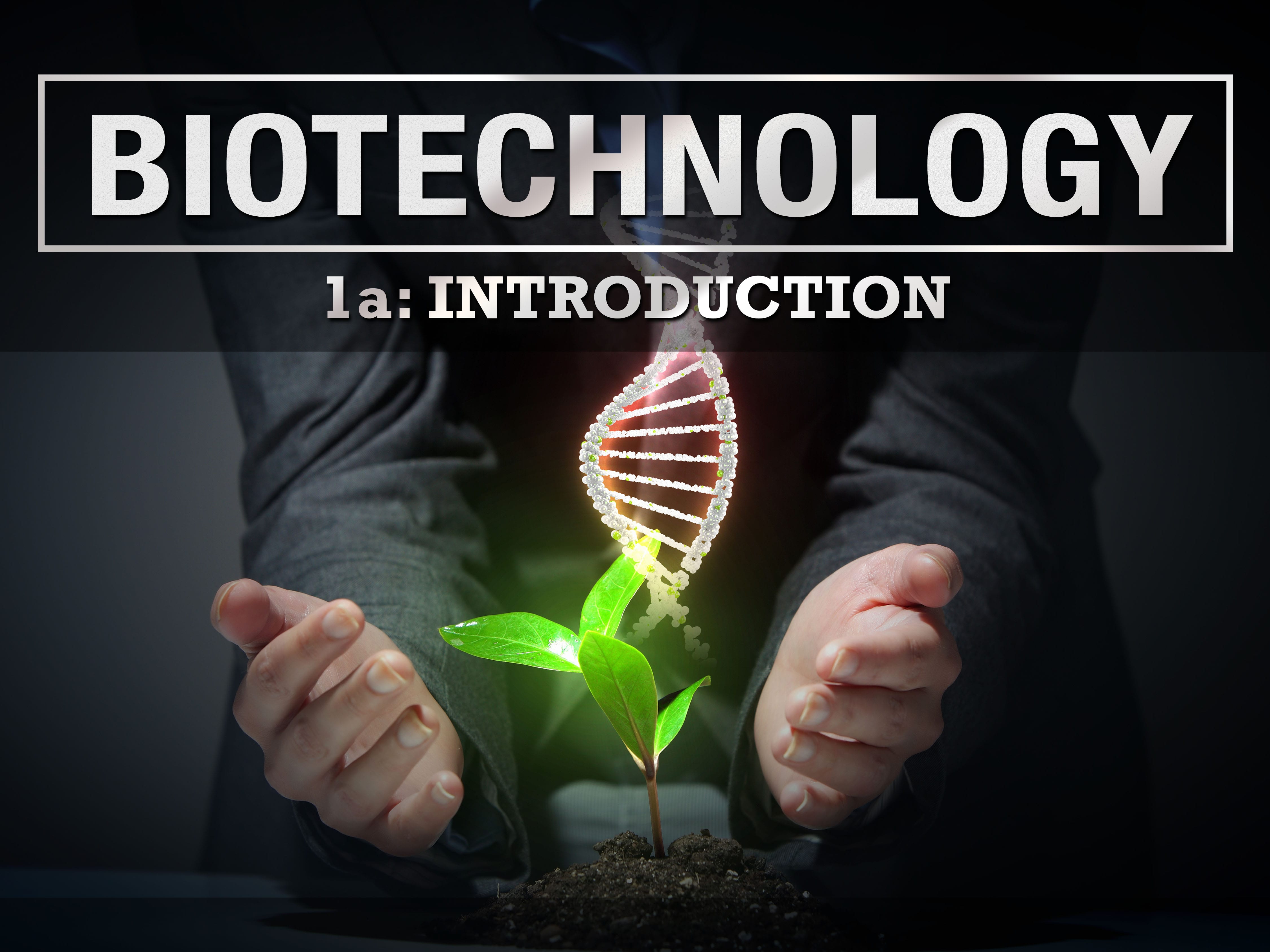
2018 Western Canadian Learning Network
for use by current WCLN.ca members
Textbook: none required
Release Date: August 2018
2022 Western Canadian Learning Network.
Resources for use by current WCLN.ca members.
Textbook: none required.

2022 Western Canadian Learning Network.
Resources for use by current WCLN.ca members.
Textbook: none required.

May be used as MCLE-12
2019 Western Canadian Learning Network
Resources for use by current WCLN.ca members
Textbook: none required

Chemistry 11 promotes the acquisition of knowledge and the learning of problem solving skills, as related to core chemistry concepts. It shows the application of chemistry in everyday life, including skills required in the workplace, while promoting positive attitudes towards science.
The course is organized into five units; each of which consists of several lessons. The evaluation is based on assignments, exams, quizzes, and tests. Practical hand-on labs are part of the course and assessment.
2022 Western Canadian Learning Network.
Resources for use by current WCLN.ca members.
Textbook: none required.

2019 Western Canadian Learning Network
Resources for use by current WCLN.ca members
Textbook: none required

2022 Western Canadian Learning Network.
Resources for use by current WCLN.ca members.
Textbook: none required.

2020 Western Canadian Learning Network
Resources for use by current WCLN.ca members
Textbook: none required
2021 Western Canadian Learning Network.
Resources for use by current WCLN.ca members.
Textbook: none required.
2022 Western Canadian Learning Network.
Resources for use by current WCLN.ca members.
Textbook: none required.
COMMUNICATIONS 11 (MCOM-11)
Communications 11 focuses on developing more concrete, rather than abstract, writing, and interpreting skills. This course is selected only upon the recommendation of your English 10 teacher; it leads to Communications 12 and does not meet entrance requirements for many post secondary institutions.
COMMUNICATIONS 12 (
Communications 12 is recognized for graduation requirements, but it does not meet the entrance requirements of universities and many college and technology programs. This course continues to focus on developing a student’s ability to communicate effectively in more concrete formats. A student may select this course if they have taken Communications 11 or upon the recommendation of the English 11 teacher. There is a mandatory provincial government final exam worth 40% of the final mark in this course.
This BAA course is currently under construction / evaluation before being available to students. The Community Project Proposal course is a self directed course with the support of skilled peers in the school district and community that will revolve around the creation of a project proposal that will be presented at the end of the year/project to a group for potential implementation. The course will be organized through the Moodle Learning Management System. Skilled peers could consist of teachers, administrators, district staff, city planners, government officials, consultants , community members etc. The group could consist of a not-for-profit society, or local, regional, provincial, or national government. The aim of the project is that your proposal could be implemented by the target group to improve our communities. For more information regarding the course please contact Jarrod Bell Principal of Technology School District 60 jbell@prn.bc.ca 250-262-6000
2022 Western Canadian Learning Network.
Resources for use by current WCLN.ca members.
Textbook: none required.
2019 Western Canadian Learning Network
Resources for use by current WCLN.ca members
Textbook: none required
2022 Western Canadian Learning Network.
Resources for use by current WCLN.ca members.
Textbook: none required.
2022 Western Canadian Learning Network.
Resources for use by current WCLN.ca members.
Textbook: none required.
2022 Western Canadian Learning Network.
Resources for use by current WCLN.ca members.
Textbook: none required.
2019 Western Canadian Learning Network
Resources for use by current WCLN.ca members
Textbook: none required
Equivalent to Photography 12

2022 Western Canadian Learning Network.
Resources for use by current WCLN.ca members.
Textbook: none required.

2022 Western Canadian Learning Network.
Resources for use by current WCLN.ca members.
Textbook: none required.
2019 Western Canadian Learning Network
Resources for use by current WCLN.ca members
Textbook: none required
BCLearningNetwork.com
for current BCLN member use
Textbook: none
Assessment: LG, Projects, Tests (Moodle Database)
Release Date: Sept/2016
2018 Western Canadian Learning Network
for use by current WCLN.ca members
Textbook: none required
Release Date: August 2018
2018 Western Canadian Learning Network
for use by current WCLN.ca members
Textbook: none required
Release Date: August 2018
English 10 teaches criteria to evaluate a variety of texts as well as teaching students to improve various communication skills. At the end of the course, students should be able to report meaningfully on what has been read or heard, with accuracy, precision, and style, using well-supported, clear, and logical ideas. There is a mandatory final exam worth 20% of the final mark in this course.
ENGLISH 11 (MEN--11) The primary goal of this course is to strengthen and further develop students’ present skills in the areas of listening, speaking, reading, writing, and idea generation. In particular, students will strengthen their comprehension skills, learn to respond with more critical awareness, increase their overall knowledge of language, improve their written composition skills, hone their communication strategies, and participate in community building activities in the classroom. This class does NOT have a Provincial Exam. There is a mandatory Final Exam worth 30% of the final mark in this course.
ENGLISH 11 (MEN--11) The primary goal of this course is to strengthen and further develop students’ present skills in the areas of listening, speaking, reading, writing, and idea generation. In particular, students will strengthen their comprehension skills, learn to respond with more critical awareness, increase their overall knowledge of language, improve their written composition skills, hone their communication strategies, and participate in community building activities in the classroom. This class does NOT have a Provincial Exam. There is a mandatory Final Exam worth 30% of the final mark in this course.
2022 Western Canadian Learning Network.
Resources for use by current WCLN.ca members.
Textbook: none required.
2018 Western Canadian Learning Network
for use by current WCLN.ca members
Textbook: none required
Release Date: August 2018

2019 Western Canadian Learning Network
Resources for use by current WCLN.ca members
Textbook: none required

2019 Western Canadian Learning Network
Resources for use by current WCLN.ca members
Textbook: none required

2019 Western Canadian Learning Network
Resources for use by current WCLN.ca members
Textbook: none required

This course consists of four modules: an introductory module, two modules selected from a choice of four modules, and concluding module. Each module has five sections and a module test. The modules are thematic and focus on elements of literature including a novel, and a combination of short stories, folk tales, poetry or a play.
Module choices must be made at registration.
The questions found in the self-marking activities, the send-in activities and the tests emphasize thinking skills as well as content recall.
Use of an audio tape recorder is compulsory for listening and public speaking.
This course also has an optional video compoent. To obtain the video tapes, students must complete a rental form and forward a deposit. A video tape recorder is required for the tapes obtained from the Distance Education School.
2019 Western Canadian Learning Network
Resources for use by current WCLN.ca members
Textbook: none required

2022 Western Canadian Learning Network.
Resources for use by current WCLN.ca members.
Textbook: none required.
2019 Western Canadian Learning Network
Resources for use by current WCLN.ca members
Textbook: none required
2019 Western Canadian Learning Network
Resources for use by current WCLN.ca members
Textbook: none required
2019 Western Canadian Learning Network
Resources for use by current WCLN.ca members
Textbook: none required

2019 Western Canadian Learning Network
Resources for use by current WCLN.ca members
Textbook: none required
2019 Western Canadian Learning Network
Resources for use by current WCLN.ca members
Textbook: none required
2020 Western Canadian Learning Network
Resources for use by current WCLN.ca members
Textbook: none required

2022 Western Canadian Learning Network.
Resources for use by current WCLN.ca members.
Textbook: none required.

2021 Western Canadian Learning Network.
Resources for use by current WCLN.ca members.
Textbook: none required.

2019 Western Canadian Learning Network
Resources for use by current WCLN.ca members
Textbook: none required

2022 Western Canadian Learning Network.
Resources for use by current WCLN.ca members.
Textbook: none required.

2022 Western Canadian Learning Network.
Resources for use by current WCLN.ca members.
Textbook: none required.

2019 Western Canadian Learning Network
Resources for use by current WCLN.ca members
Textbook: none required

2022 Western Canadian Learning Network.
Resources for use by current WCLN.ca members.
Textbook: none required.

This course consists of four modules: three compulsory modules (1, 2, and 5) and a module selected from a choice of two modules (3 or 4). Each module has five sections and a module test. The modules are thematic and focus on both fiction (short stories, novels, plays, poetry) and non-fiction (essays, articles, editorials, journals). Improving writing skills is one of the main goals of this course. Grammar workshops are included throughout the modules. Module choices must be made at registration.
2020 Western Canadian Learning Network
Resources for use by current WCLN.ca members
Textbook: none required

2022 Western Canadian Learning Network.
Resources for use by current WCLN.ca members.
Textbook: none required.

2019 Western Canadian Learning Network
Resources for use by current WCLN.ca members
Textbook: none required

2022 Western Canadian Learning Network.
Resources for use by current WCLN.ca members.
Textbook: none required.

2022 Western Canadian Learning Network.
Resources for use by current WCLN.ca members.
Textbook: none required.
Food and Nutrition 11
2019 Western Canadian Learning Network
Resources for use by current WCLN.ca members
Textbook: none required

2022 Western Canadian Learning Network.
Resources for use by current WCLN.ca members.
Textbook: none required.

2019 Western Canadian Learning Network
Resources for use by current WCLN.ca members
Textbook: none required

2022 Western Canadian Learning Network.
Resources for use by current WCLN.ca members.
Textbook: none required.

According to BC Education ministry,
Mathematics is integral to every aspect of daily life. Mathematical skills are essential for solving problems in most areas of life and are part of human history. All peoples have used and continue to use mathematical knowledge and competencies to make sense of the world around them.
Mathematical values and habits of mind go beyond numbers and symbols; they help us connect, create, communicate, visualize, and reason, as part of the complex process of problem solving. These habits of mind are valuable when analyzing both novel and complex problems from a variety of perspectives, considering possible solutions, and evaluating the effectiveness of the solutions. When developed early in life, mathematical habits of mind help us see the math in the world around us and help to generate confidence in our ability to solve everyday problems without doubt or fear of math.
Observing, learning, and engaging in mathematical thinking empowers us to make sense of our world. For example, exploring the logic of mathematics through puzzles and games can foster a constructive mathematical disposition and result in a self-motivated and confident student with unique and individualized mathematical perspectives. Whether students choose to pursue a deeper or broader study in mathematics, the design of the Mathematics curriculum ensures that they are able to pursue their individual interests and passions while establishing a strong mathematical foundation.
2021 Western Canadian Learning Network.
Resources for use by current WCLN.ca members.
Textbook: none required.
2022 Western Canadian Learning Network.
Resources for use by current WCLN.ca members.
Textbook: none required.
2021 Western Canadian Learning Network.
Resources for use by current WCLN.ca members.
Textbook: none required.
2022 Western Canadian Learning Network.
Resources for use by current WCLN.ca members.
Textbook: none required.
2019 Western Canadian Learning Network
Resources for use by current WCLN.ca members
Textbook: none required
2022 Western Canadian Learning Network.
Resources for use by current WCLN.ca members.
Textbook: none required.
German 11 provides students basic knowledge of the German language. Students will acquire competence in basic conversation and interactions in the German language.
2022 Western Canadian Learning Network.
Resources for use by current WCLN.ca members.
Textbook: none required.
2014 BCLearningNetwork
Textbook: No Textbook Required
Exams: online
Release Date: Sept/2014
2014 BCLearningNetwork
Textbook: No Textbook Required
Exams: online
Release Date: Sept/2014
 Will we ever find a cure for cancer? What treatments are best for conditions like diabetes and asthma? How are illnesses like meningitis, tuberculosis, and the measles identified and diagnosed? Health sciences provide the answers to questions such as these. In this course, students will be introduced to the various disciplines within the health sciences, including toxicology, clinical medicine, and biotechnology. They will explore the importance of diagnostics and research in the identification and treatment of diseases. The course presents information and terminology for the health sciences and examines the contributions of different health science areas.
2022 Western Canadian Learning Network.
Resources for use by current WCLN.ca members.
Textbook: none required.
2022 Western Canadian Learning Network.
Resources for use by current WCLN.ca members.
Textbook: none required.
Humanities 6 (2022) - DES - UnitByUnit
2022 Western Canadian Learning Network.
Resources for use by current WCLN.ca members.
Textbook: none required.

2018 Western Canadian Learning Network
for use by current WCLN.ca members
Textbook: none required
Release Date: August 2018
2022 Western Canadian Learning Network.
Resources for use by current WCLN.ca members.
Textbook: none required.